


Blockchain Technology Is Reshaping Property Ownership Worldwide property ownership has always been a cornerstone of economic stability, personal security, and wealth creation. For centuries, however, property systems have been burdened by inefficiencies, lack of transparency, bureaucratic delays, and legal disputes. In many parts of the world, unclear land records and centralized control have led to fraud, exclusion, and long-standing conflicts. Today, blockchain technology is reshaping property ownership globally by offering a new digital foundation built on transparency, security, and decentralization.
As societies become more digitized, the demand for trustworthy systems to record, transfer, and verify property rights has grown rapidly. Blockchain technology introduces a decentralized ledger where ownership records are immutable, verifiable, and accessible. This shift represents more than a technological upgrade; it signals a structural transformation in how property rights are defined and protected.
We will explores how blockchain technology is reshaping property ownership globally, examining its impact on land registries, real estate transactions, fractional ownership, legal frameworks, and economic inclusion. By understanding this transformation, it becomes clear why blockchain is increasingly seen as a foundational layer for the future of global property systems.
Blockchain Technology Is Reshaping Property
Property ownership systems have historically relied on centralized authorities such as land registries, government offices, and legal institutions. While these systems provide structure, they are often slow, opaque, and vulnerable to manipulation.
In many regions, paper-based records are still common, making them susceptible to loss, damage, or forgery. Even in digitized systems, centralized databases can be altered or accessed without proper authorization. These weaknesses undermine trust and create opportunities for corruption and disputes.
Blockchain technology is reshaping property ownership globally by addressing these long-standing issues. By creating a shared, tamper-resistant ledger, blockchain reduces reliance on centralized intermediaries and introduces a new level of trust into property systems.
Understanding Blockchain Technology in the Context of Property
Blockchain is a distributed ledger technology that records transactions across a network of computers. Each record, or block, is cryptographically linked to the previous one, forming an immutable chain of data.
In the context of property ownership, blockchain can store records of land titles, ownership transfers, and legal agreements. These records are validated through consensus mechanisms, ensuring accuracy and preventing unauthorized changes.
When blockchain technology is reshaping property ownership globally, it transforms property records from static documents into dynamic digital assets. This shift enables real-time verification, reduces disputes, and increases confidence in ownership claims.
Enhancing Transparency in Property Records
Transparency is one of the most significant advantages blockchain brings to property ownership. Traditional property systems often operate behind closed doors, with limited public access to records.
Blockchain-based property registries allow authorized participants to view ownership histories and transaction details. This openness discourages fraud and provides clarity for buyers, sellers, and regulators.
As blockchain technology is reshaping property ownership globally, transparency becomes a standard rather than an exception. This change fosters trust in property markets and encourages broader participation.
Security and Immutability of Ownership Data
Security is a critical concern in property ownership, where high-value assets are at stake. Centralized databases are attractive targets for cyberattacks and unauthorized alterations.
Blockchain addresses these risks through cryptographic security and decentralization. Once recorded, ownership data cannot be changed without consensus from the network, making tampering extremely difficult.
When blockchain technology is reshaping property ownership globally, it ensures that property records are protected against manipulation, loss, and unauthorized access. This immutability strengthens legal certainty and investor confidence.
Streamlining Property Transactions
Property transactions are often complex, involving multiple intermediaries such as brokers, lawyers, banks, and registrars. These layers add cost, time, and potential points of failure.
Blockchain simplifies transactions by enabling smart contracts, which automatically execute agreements when predefined conditions are met. Payments, title transfers, and approvals can occur seamlessly within a single digital framework.
As blockchain technology is reshaping property ownership globally, transactions become faster, more efficient, and less dependent on manual processes. This efficiency benefits both individual buyers and large-scale investors.
Reducing Costs and Barriers to Entry
High transaction costs have long been a barrier to property ownership, particularly in developing economies. Fees associated with intermediaries, legal processes, and administrative delays can make property inaccessible to many.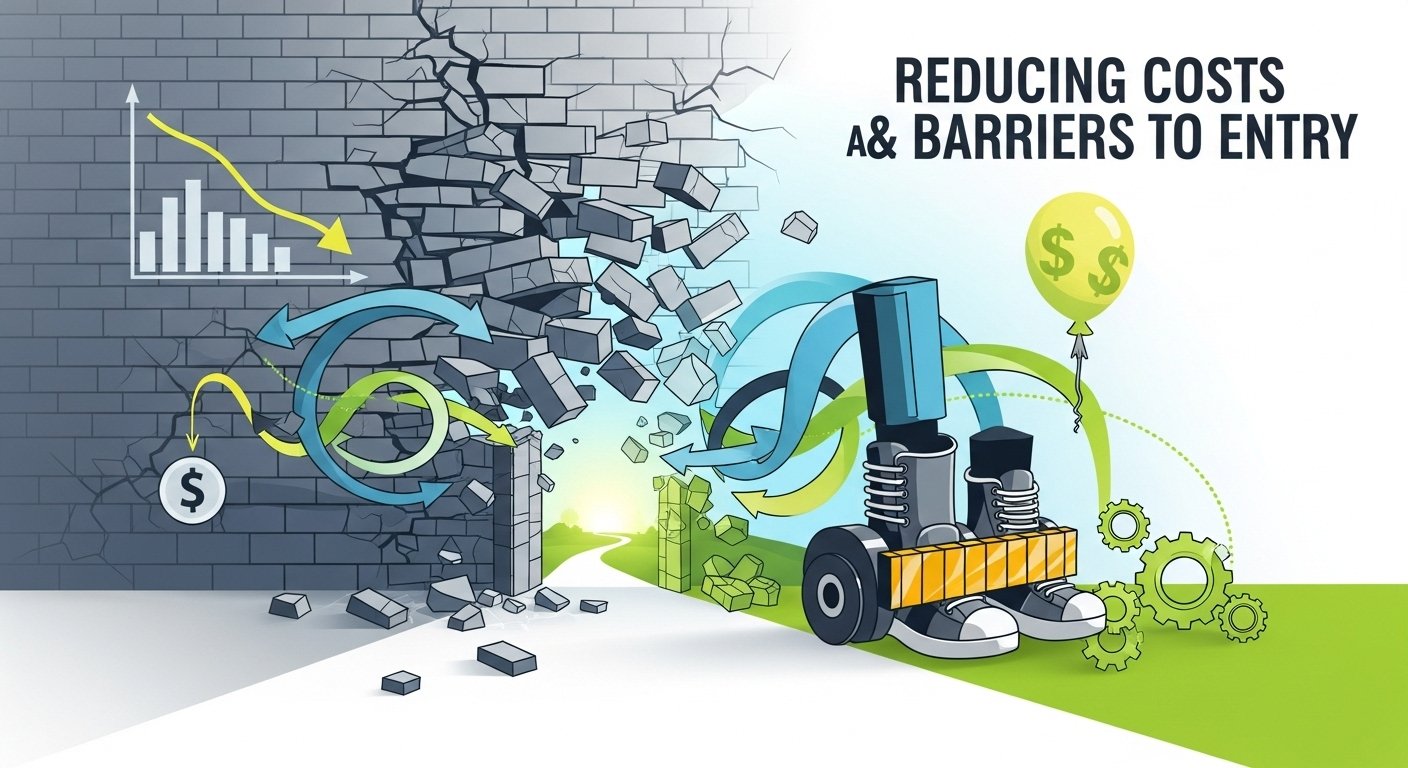
Blockchain reduces these costs by automating processes and minimizing the need for intermediaries. Digital verification and automated execution lower expenses and streamline workflows.
When blockchain technology is reshaping property ownership globally, it opens doors for wider participation by reducing financial and procedural barriers. This inclusivity has the potential to transform housing markets and economic opportunities.
Fractional Ownership and Tokenization of Real Estate
One of the most transformative aspects of blockchain in property ownership is tokenization. Tokenization involves representing property assets as digital tokens on a blockchain.
These tokens can represent fractional ownership, allowing multiple investors to own shares of a property. This model increases liquidity and makes real estate investment accessible to a broader audience.
As blockchain technology is reshaping property ownership globally, tokenized real estate, digital property assets, and fractional ownership models are redefining how people invest in property. This shift democratizes access to an asset class traditionally reserved for wealthy individuals.
Empowering Developing Economies and Land Rights
In many developing countries, unclear or undocumented land ownership is a major challenge. Millions of people lack formal proof of ownership, limiting their ability to use property as collateral or secure legal protection.
Blockchain-based land registries offer a solution by creating permanent, verifiable records of ownership. These systems can operate independently of fragile institutions, providing security even in politically unstable environments.
When blockchain technology is reshaping property ownership globally, it has a profound impact on land rights, economic empowerment, and social stability in underserved regions.
Legal Recognition and Regulatory Evolution
For blockchain-based property systems to function effectively, legal recognition is essential. Governments and regulators play a critical role in integrating blockchain records into existing legal frameworks.
Some jurisdictions are already exploring or implementing blockchain-based land registries. These initiatives require updates to laws governing property rights, digital signatures, and data privacy.
As blockchain technology is reshaping property ownership globally, regulatory evolution becomes a key factor in determining the speed and scope of adoption. Collaboration between technologists and policymakers is essential for sustainable progress.
Interoperability with Existing Property Systems
Transitioning from traditional property systems to blockchain-based models requires interoperability. Existing records must be accurately digitized and integrated into new frameworks.
Blockchain platforms can be designed to work alongside legacy systems, ensuring continuity while introducing new efficiencies. This hybrid approach reduces disruption and builds trust among stakeholders.
When blockchain technology is reshaping property ownership globally, successful implementation often depends on thoughtful integration rather than abrupt replacement of existing systems.
Addressing Privacy and Data Protection Concerns
While transparency is a strength of blockchain, property ownership also involves sensitive personal and financial information. Balancing openness with privacy is a critical challenge.
Advanced blockchain designs allow for selective disclosure, where only authorized parties can access specific data. Encryption and permissioned networks enhance privacy while maintaining integrity.
As blockchain technology is reshaping property ownership globally, addressing privacy concerns is essential to gaining public trust and regulatory approval.
The Role of Blockchain in Cross-Border Property Ownership
Globalization has increased cross-border property investment, but differing legal systems and verification processes create complexity.
Blockchain offers a standardized framework for recording and verifying ownership across jurisdictions. This consistency simplifies cross-border transactions and reduces legal uncertainty.
When blockchain technology is reshaping property ownership globally, it supports a more integrated global real estate market, facilitating international investment and cooperation.
Future Innovations in Blockchain-Based Property Systems
The future of property ownership on blockchain extends beyond simple record-keeping. Integration with emerging technologies such as artificial intelligence and the Internet of Things could further enhance property management.
Smart cities may use blockchain to manage utilities, zoning, and taxation in real time. Automated compliance and data-driven insights could improve urban planning and sustainability.
As blockchain technology is reshaping property ownership globally, it lays the groundwork for continuous innovation in how property is owned, managed, and valued.
Conclusion
Blockchain technology is reshaping property ownership globally by addressing fundamental flaws in traditional systems. Through transparency, security, efficiency, and inclusivity, blockchain introduces a new paradigm for recording and transferring property rights.
This transformation has far-reaching implications for individuals, investors, governments, and societies at large. From empowering underserved communities to enabling fractional ownership and global investment, blockchain redefines what property ownership can mean in the digital age.
As adoption continues and regulatory frameworks evolve, blockchain is poised to become a foundational element of future property systems. The reshaping of property ownership is not a distant vision but an ongoing reality driven by the power of decentralized technology.
FAQs
Q: How does blockchain technology improve trust in property ownership systems?
Blockchain improves trust by creating immutable and verifiable ownership records that cannot be altered without consensus. This transparency reduces fraud, disputes, and reliance on centralized authorities.
Q: Can blockchain-based property ownership work in developing countries?
Yes, blockchain-based systems can be especially beneficial in developing countries by providing secure, permanent land records where traditional documentation is weak or unreliable, helping protect land rights and promote economic inclusion.
Q: What is tokenization and how does it affect property ownership?
Tokenization involves converting property assets into digital tokens on a blockchain. This allows fractional ownership, increased liquidity, and broader access to real estate investment opportunities.
Q: Are blockchain property records legally recognized?
Legal recognition varies by jurisdiction. Some governments are actively integrating blockchain into land registries, while others are still developing regulatory frameworks to support blockchain-based property records.
Q: What challenges remain in adopting blockchain for property ownership?
Key challenges include regulatory uncertainty, integration with existing systems, data privacy concerns, and the need for public education. Addressing these issues is essential for widespread adoption.
