

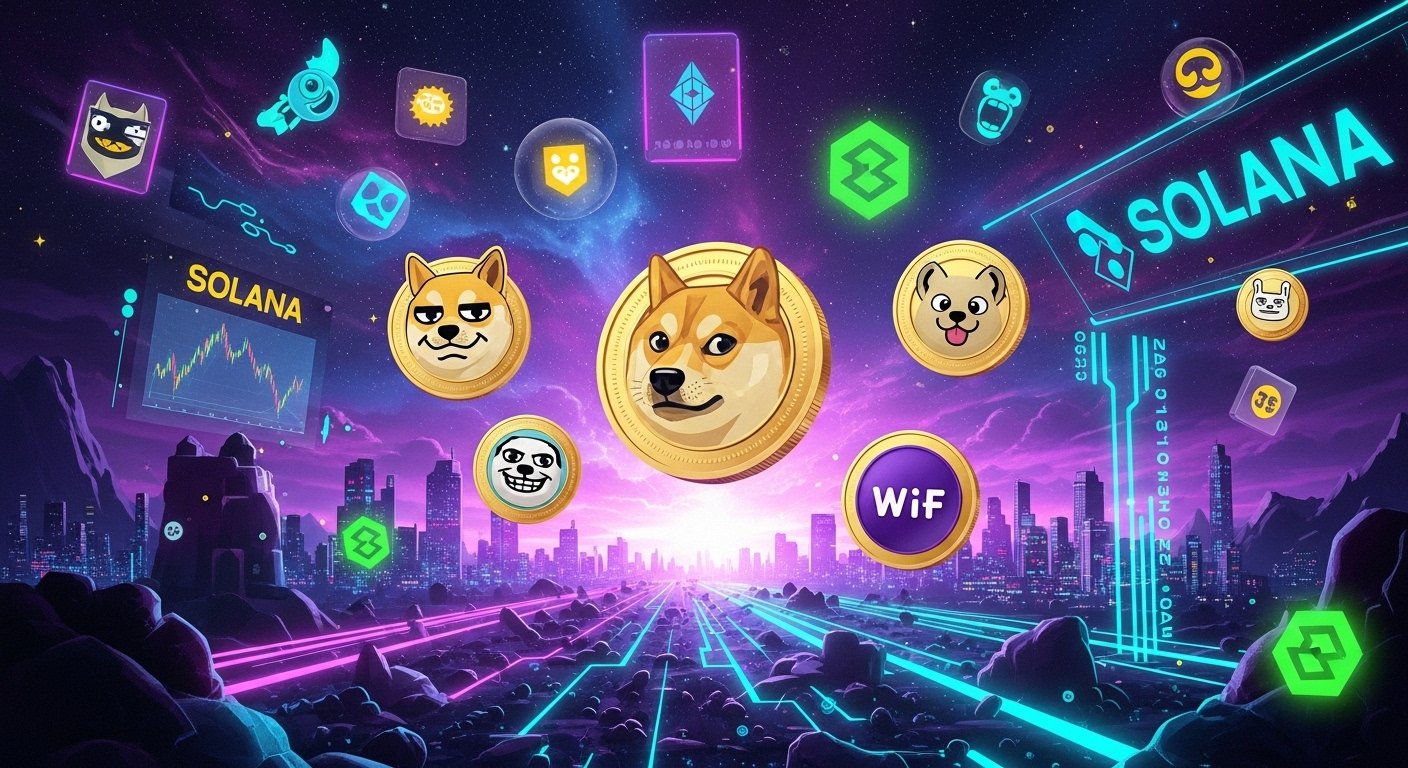
Solana Meme Coin Mode The Positive Truth Behind Its Costly Impact has long been celebrated as one of the fastest and most cost-efficient blockchains in the cryptocurrency industry. Known for its high throughput and low transaction fees, it quickly positioned itself as a serious competitor to Ethereum and other smart contract platforms. However, recent commentary from Standard Chartered has cast a critical spotlight on the network’s current trajectory. According to the bank’s analysis, Solana appears to be stuck in a meme coin-dominated phase, and this shift in activity may be costing the ecosystem more than it is gaining.
The concern is not simply about speculation. Meme coins, while popular and often lucrative in short bursts, are typically associated with short-term hype rather than sustainable blockchain adoption. Standard Chartered’s assessment suggests that the heavy concentration of meme coin trading and speculative activity on Solana may be overshadowing more meaningful use cases such as decentralized finance, Web3 applications, and real-world asset tokenization.
This perspective has sparked a broader discussion about the direction of the Solana ecosystem, its long-term growth potential, and whether its current popularity is being driven by the right kind of activity. While meme coins have undeniably brought liquidity and attention to the network, they may also be contributing to volatility, congestion, and a perception problem that could deter institutional interest.
Solana Meme Coin Mode
Solana’s initial success was built on a strong technological foundation. The network introduced a unique consensus mechanism called Proof of History, combined with Proof of Stake, allowing it to process thousands of transactions per second. This made it one of the most scalable Layer-1 blockchains in the market.
Speed, Scalability, and Low Fees
One of Solana’s primary selling points has always been its ability to deliver extremely fast transaction speeds at minimal cost. Compared to other networks where transaction fees can spike during periods of congestion, Solana has generally maintained fees at fractions of a cent. This advantage attracted a wide range of developers and projects, especially those focused on DeFi protocols, NFT marketplaces, and GameFi platforms.
The promise of a high-speed network capable of supporting millions of users made Solana a favorite among investors looking for the next big blockchain platform. It also attracted venture capital funding, developer interest, and partnerships that fueled its rapid growth.
Early Momentum in DeFi and NFTs
Before the surge of meme coin activity, Solana was gaining traction as a hub for decentralized exchanges, lending protocols, and NFT ecosystems. Projects built on the network were showcasing innovative financial tools and digital asset platforms.
This period was widely seen as a sign that Solana could become a serious competitor to Ethereum. The ecosystem’s growth was driven by real utility, strong developer activity, and a rising number of active users.
The Meme Coin Explosion on Solana
The narrative began to shift as meme coins started to dominate the network’s activity. While meme coins have existed on multiple blockchains, Solana’s low fees and fast transaction speeds made it an ideal environment for high-volume speculative trading.
Why Meme Coins Thrive on Solana
Meme coins thrive on speed, hype, and community engagement. Solana provides the perfect infrastructure for this type of activity. Transactions are nearly instant, fees are extremely low, and launching a new token requires relatively little friction.
This combination has led to an explosion of meme token launches, many of which attract massive trading volumes within days or even hours. The result is a network that sees intense bursts of activity driven largely by speculation rather than long-term utility.
Short-Term Gains Versus Long-Term Value
Meme coins can generate impressive returns in short periods. They attract retail traders, social media hype, and viral marketing campaigns. However, these tokens often lack fundamental value, real-world use cases, or sustainable development roadmaps.
Standard Chartered’s concern is that the dominance of speculative crypto trading could overshadow the network’s more serious projects. If the majority of activity is driven by short-term hype, it may become difficult for the ecosystem to attract institutional investors or enterprise adoption.
Standard Chartered’s Warning
Standard Chartered’s analysis highlights a critical issue: the quality of network activity matters as much as the quantity. High transaction volumes may look impressive on the surface, but if they are largely driven by meme coin speculation, they may not translate into sustainable growth.
The Risk to Institutional Adoption
Institutional investors typically look for stability, regulatory clarity, and real-world use cases. A network dominated by meme coin trading may appear volatile or unreliable from an institutional perspective.
Standard Chartered suggests that the perception of Solana as a meme coin hub could discourage large investors and enterprises from building on the network. This could limit its potential to become a major platform for financial infrastructure, enterprise blockchain solutions, or tokenized assets.
Congestion and Network Strain
Another concern is the strain that meme coin trading can place on the network. Periods of intense speculation often lead to spikes in transaction volumes, which can cause congestion or performance issues.
While Solana is designed for high throughput, sudden surges in activity can still test the network’s limits. If users experience delays or failed transactions during these periods, it could damage confidence in the platform.
The Perception Problem
Beyond technical concerns, there is also a reputational issue at play. Public perception can have a significant impact on a blockchain’s long-term success.
From Innovation Hub to Meme Coin Playground
Solana was once seen as a cutting-edge platform for Web3 innovation. Its focus on speed, scalability, and developer-friendly tools made it attractive for serious projects.
However, as meme coins began to dominate headlines, the narrative shifted. Instead of being known for decentralized applications and financial innovation, the network started to be associated with viral tokens and speculative trading. This shift in perception could make it harder for the ecosystem to attract developers working on long-term projects.
Impact on Developer Ecosystem
Developers play a crucial role in the success of any blockchain. If the ecosystem becomes overly focused on meme coins, it may discourage developers who want to build more complex or meaningful applications.
A healthy blockchain ecosystem typically includes a mix of DeFi platforms, NFT projects, gaming applications, and enterprise solutions. An imbalance toward speculative tokens could create an environment that is less appealing to serious developers.
The Role of Meme Coins in Crypto Culture
While Standard Chartered’s warning is notable, it is also important to recognize the role that meme coins play in the broader cryptocurrency ecosystem.
Driving User Adoption
Meme coins often act as a gateway for new users entering the crypto space. Their viral nature and low entry costs make them appealing to beginners who may later explore more complex projects.
In this sense, meme coins can serve as an onboarding tool, bringing new participants into the ecosystem and increasing overall blockchain activity.
Liquidity and Market Attention
Meme coins can also generate significant liquidity and attention for a network. High trading volumes can boost transaction counts, attract media coverage, and bring new investors to the platform. However, the challenge lies in converting this attention into sustainable growth driven by real utility.
Can Solana Rebalance Its Ecosystem?
The key question is whether Solana can shift its focus back toward long-term use cases without losing the momentum generated by meme coin activity.
Strengthening DeFi and Real-World Use Cases
One potential path forward is to strengthen the network’s DeFi ecosystem, real-world asset tokenization, and enterprise blockchain applications. By encouraging projects that offer tangible value, Solana can build a more balanced ecosystem. This could involve supporting developers, improving infrastructure, and fostering partnerships with institutions.
Improving Network Stability and Reliability
Another critical factor is network reliability. Ensuring that the blockchain can handle high volumes of activity without disruptions will be essential for attracting institutional interest. Consistent performance, strong security, and transparent governance can help rebuild confidence in the platform.
The Competitive Landscape
Solana is not operating in isolation. It faces competition from other Layer-1 blockchains and Layer-2 solutions that are also vying for developer attention and market share.
Ethereum and the Rise of Layer-2 Networks
Ethereum remains the dominant smart contract platform, especially after the growth of Layer-2 scaling solutions. These networks offer lower fees and faster transactions while benefiting from Ethereum’s security and developer base.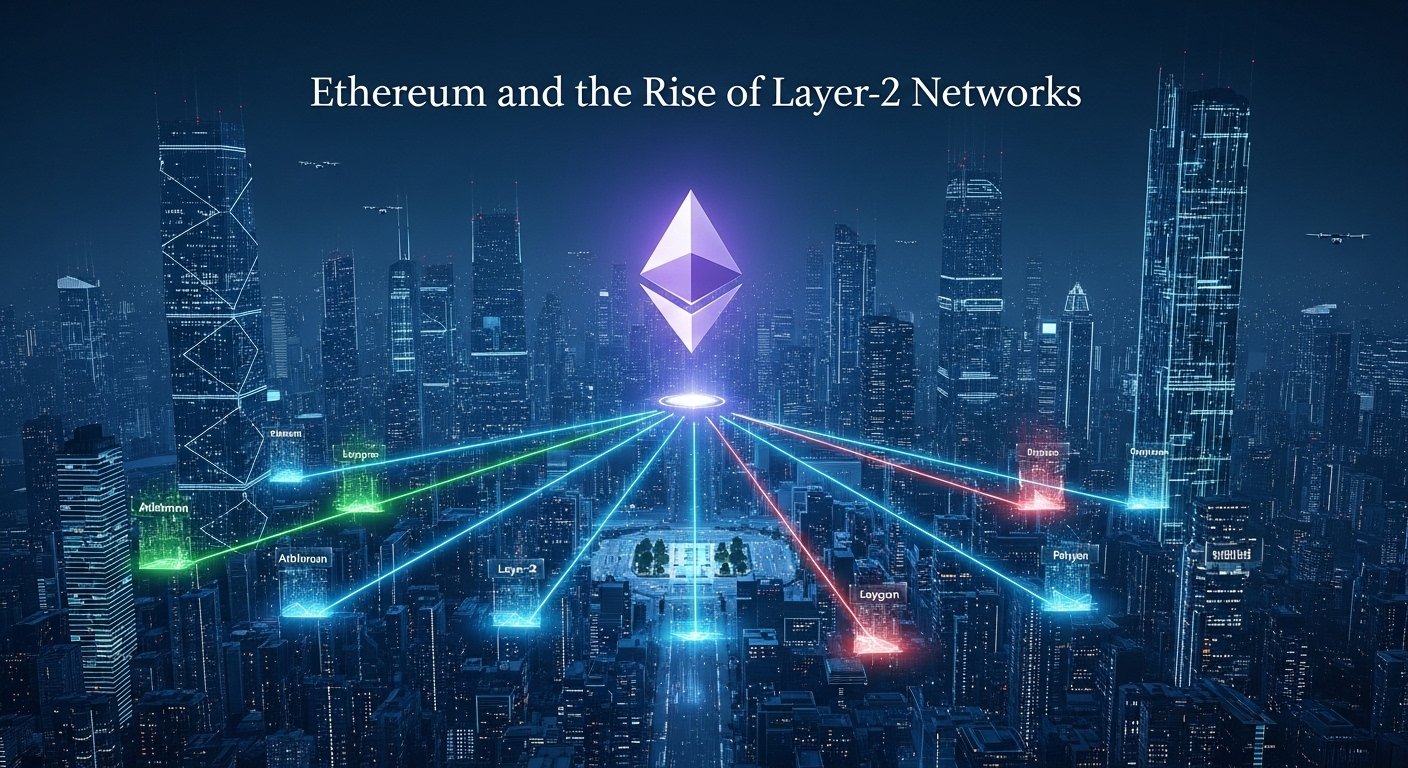
This competition means that Solana must differentiate itself not only through speed and cost but also through the quality of its ecosystem.
Emerging Competitors
Other blockchains are also entering the space, offering unique features and incentives for developers. These platforms are competing for the same pool of users, projects, and capital. In this environment, relying heavily on meme coin activity may not be enough to secure long-term leadership.
The Long-Term Outlook for Solana
Despite the concerns raised by Standard Chartered, Solana still has strong fundamentals. Its technology, developer community, and growing user base provide a solid foundation for future growth.
Potential for Recovery and Growth
If the network can rebalance its ecosystem and attract more utility-driven projects, it could regain its reputation as a leading platform for innovation. The key will be finding the right balance between speculative activity and meaningful use cases.
The Importance of Narrative
In the cryptocurrency industry, narratives play a powerful role. The way a network is perceived can influence investor sentiment, developer interest, and overall adoption. Shifting the narrative from meme coins to real-world utility could be crucial for Solana’s long-term success.
Conclusion
Standard Chartered’s warning about Solana being stuck in meme coin mode highlights an important challenge facing the network. While meme coins have brought attention, liquidity, and new users, they also come with risks. Overreliance on speculative activity could limit institutional adoption, strain the network, and create a perception problem.
Solana’s future will likely depend on its ability to rebalance its ecosystem. By focusing on DeFi innovation, Web3 development, and real-world blockchain applications, the network can build a more sustainable foundation for growth. The technology remains strong, and the potential is still there. The question now is whether Solana can move beyond meme coin hype and reclaim its position as a leading platform for meaningful blockchain innovation.
FAQs
Q: Why did Standard Chartered criticize Solana’s meme coin activity?
Standard Chartered expressed concern that Solana’s network activity is heavily dominated by meme coin trading, which is largely speculative. The bank believes this type of activity may not contribute to long-term adoption or institutional interest, potentially limiting the network’s growth.
Q: Are meme coins bad for the Solana ecosystem?
Meme coins are not necessarily bad, as they can drive user adoption and increase liquidity. However, if they dominate the ecosystem, they may overshadow more meaningful applications like DeFi, gaming, and enterprise solutions, which are crucial for sustainable growth.
Q: Can Solana move beyond its meme coin reputation?
Yes, Solana has the technical capabilities and developer community needed to support a wide range of applications. By focusing on real-world use cases and strengthening its DeFi and enterprise sectors, it can shift its narrative toward long-term value.
Q: How does meme coin activity affect institutional investors?
Institutional investors typically prefer stable, utility-driven ecosystems. A network heavily associated with meme coin speculation may appear volatile or unreliable, making institutions less likely to invest or build on it.
Q: What could help Solana achieve long-term success?
Long-term success will likely depend on a balanced ecosystem that includes DeFi platforms, NFT projects, enterprise applications, and real-world asset tokenization. Improved network stability, developer support, and institutional partnerships could also play a key role.
