

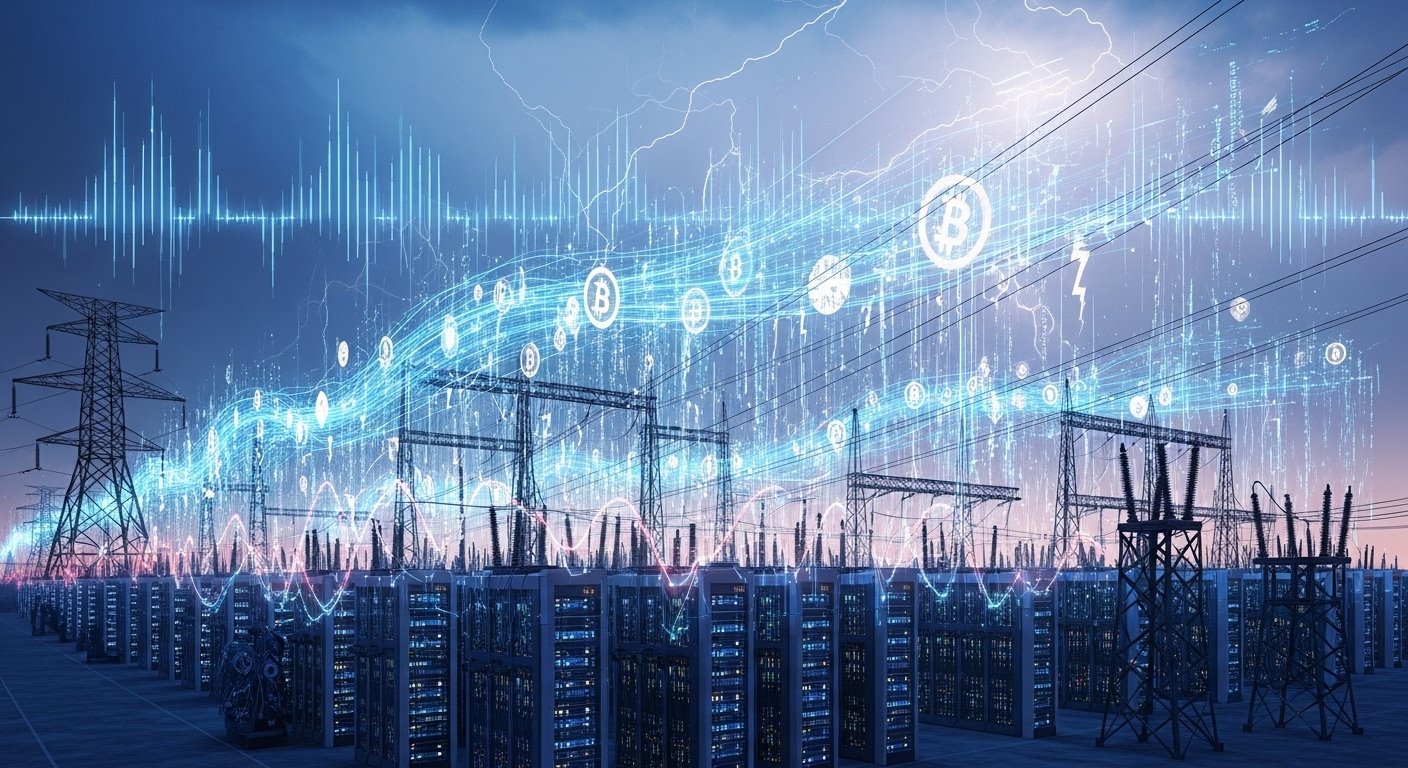
Bitcoin Mining Stabilizes Power Grids Paradigm Says the public perception of Bitcoin mining has long been dominated by debates about energy consumption and environmental impact. Critics often highlight the massive electricity demand associated with large mining facilities, while supporters argue that the technology can actually bring unexpected benefits to the energy sector. In recent discussions, Paradigm has emphasized a compelling idea: under the right conditions, crypto mining operations can play a crucial role in stabilizing power grids.
This perspective challenges the traditional narrative around mining. Instead of being viewed solely as a power-hungry activity, Bitcoin mining is increasingly being examined as a flexible energy consumer that can absorb excess electricity, support renewable integration, and even help utilities manage peak demand. As the global energy landscape shifts toward bold renewable energy adoption, decentralized production, and smarter grids, the role of mining is being reevaluated in both policy and technical discussions.
Understanding this concept requires looking beyond headlines and examining how power grids operate, how demand fluctuates, and how flexible loads like mining facilities can act as stabilizing forces. By aligning with grid needs, mining operations can provide a new layer of bold energy demand response that benefits both utilities and consumers.
Bitcoin Mining Stabilizes Power Grids
Modern power grids operate on a delicate balance between supply and demand. Electricity must be consumed at the same moment it is produced. If too much power is generated without enough consumption, or if demand suddenly spikes without sufficient generation, the grid can experience instability. In severe cases, this imbalance can lead to blackouts or forced shutdowns.
How Demand Fluctuations Affect the Grid
Power demand is not constant throughout the day. It rises in the morning as people wake up, peaks during work hours, and often surges again in the evening when households are active. Seasonal changes also influence consumption patterns. During heat waves or cold snaps, demand can skyrocket as people rely on air conditioning or heating systems.
Traditionally, utilities have responded to these fluctuations by ramping up or down different types of power plants. However, this approach becomes more complex as grids incorporate higher shares of bold intermittent renewable energy like solar and wind.
The Challenge of Renewable Energy Integration
Renewable sources generate electricity based on natural conditions. Solar panels produce power when the sun shines, and wind turbines generate electricity when the wind blows. This variability can create periods of excess generation, especially in regions with high renewable capacity.
For example, a solar-heavy grid may produce more electricity than needed during midday, only to face shortages after sunset. Without adequate storage or flexible consumption, this imbalance can strain the system.
Bitcoin Mining as a Flexible Energy Consumer
Bitcoin mining is fundamentally different from most industrial activities. Instead of requiring constant, uninterrupted power, mining operations can be turned on or off within minutes. This flexibility makes them uniquely suited to act as bold dispatchable energy loads.
What Makes Mining Flexible
A typical mining facility consists of thousands of specialized computers performing calculations to secure the network. These machines can be powered down without damaging equipment or disrupting processes. Unlike factories or hospitals, which require continuous electricity, mining operations can respond instantly to grid signals.
This means that during periods of excess power generation, miners can increase their activity and consume surplus energy. Conversely, during peak demand or grid stress, they can shut down, freeing electricity for households and critical services.
The Concept of Demand Response
Demand response programs allow utilities to adjust electricity consumption rather than generation. Large industrial users agree to reduce their power usage when the grid is under stress, often in exchange for financial incentives.
Bitcoin miners are well suited for these programs because they can rapidly scale their operations up or down. This creates a new form of bold grid balancing that is more dynamic than traditional approaches.
Absorbing Excess Renewable Energy
One of the most compelling arguments presented by Paradigm is that Bitcoin mining can act as a buyer of last resort for excess renewable energy. This concept is especially important in regions where renewable production exceeds local demand.
Curtailment and Wasted Energy
When power plants produce more electricity than the grid can handle, utilities may be forced to curtail generation. This means shutting down turbines or disconnecting solar arrays, effectively wasting potential energy. Curtailment is a growing issue in regions with large renewable investments. Without enough storage or transmission capacity, excess electricity simply goes unused.
Mining as a Solution
Bitcoin mining can absorb this surplus power. By setting up facilities near renewable energy sources, miners can use electricity that would otherwise be wasted. This creates a new revenue stream for energy producers and improves the economics of renewable projects.
Over time, this dynamic can encourage further investment in bold clean energy infrastructure, as producers gain confidence that excess generation will still generate income.
Supporting Grid Reliability During Peak Demand
While absorbing surplus energy is one benefit, mining operations also contribute to grid stability during high-demand periods.
Rapid Load Reduction
When demand surges, utilities must quickly increase generation or reduce consumption. Mining facilities can respond almost instantly by shutting down their machines, freeing up large amounts of electricity.
In some regions, mining operations have already demonstrated this capability. During heat waves or extreme weather events, they have powered down to support residential and commercial users.
Preventing Blackouts
By acting as controllable loads, miners provide an additional buffer for the grid. This helps utilities avoid rolling blackouts or emergency measures. The presence of such flexible consumers effectively increases the grid’s resilience, especially in areas with volatile demand patterns or heavy reliance on renewables.
Economic Benefits for Energy Producers
The integration of Bitcoin mining into power systems also offers financial advantages for energy producers.
Stabilizing Revenue Streams
Renewable energy projects often face uncertain revenue due to fluctuating electricity prices. During periods of low demand, prices can drop dramatically, reducing profitability. Mining operations provide a consistent buyer for electricity, especially during off-peak hours. This stabilizes revenue and makes renewable projects more financially viable.
Incentivizing New Infrastructure
When energy producers know there is a reliable customer for excess power, they may be more willing to invest in new capacity. This can accelerate the expansion of bold sustainable power generation.
In some cases, mining facilities are even co-located with renewable plants, creating integrated systems that optimize both energy production and consumption.
The Role of Location and Grid Design
Not all mining operations contribute equally to grid stability. The impact depends heavily on where facilities are located and how they interact with the local energy system.
Regions with Surplus Energy
Mining is most beneficial in areas with excess generation capacity. This includes regions with abundant hydroelectric power, strong wind resources, or large solar installations. In these locations, mining can absorb energy that would otherwise be curtailed, improving overall grid efficiency.
Areas with Strained Grids
In regions where electricity supply is already tight, unregulated mining can strain the system. This highlights the importance of thoughtful planning, regulatory frameworks, and cooperation between miners and utilities. When properly managed, mining can act as a stabilizing force rather than a disruptive one.
Technological Innovations Enhancing Grid Integration
The relationship between mining and the energy sector is evolving alongside technological advancements.
Smart Grid Coordination
Modern power grids increasingly rely on digital systems that monitor and control energy flows in real time. Mining facilities can integrate with these systems, automatically adjusting their consumption based on grid conditions. This creates a highly responsive form of bold automated load management that supports overall stability.
Energy Storage and Hybrid Systems
Some mining operations are pairing their facilities with battery storage or renewable plants. These hybrid setups allow miners to operate independently of the main grid during certain periods, reducing strain on public infrastructure.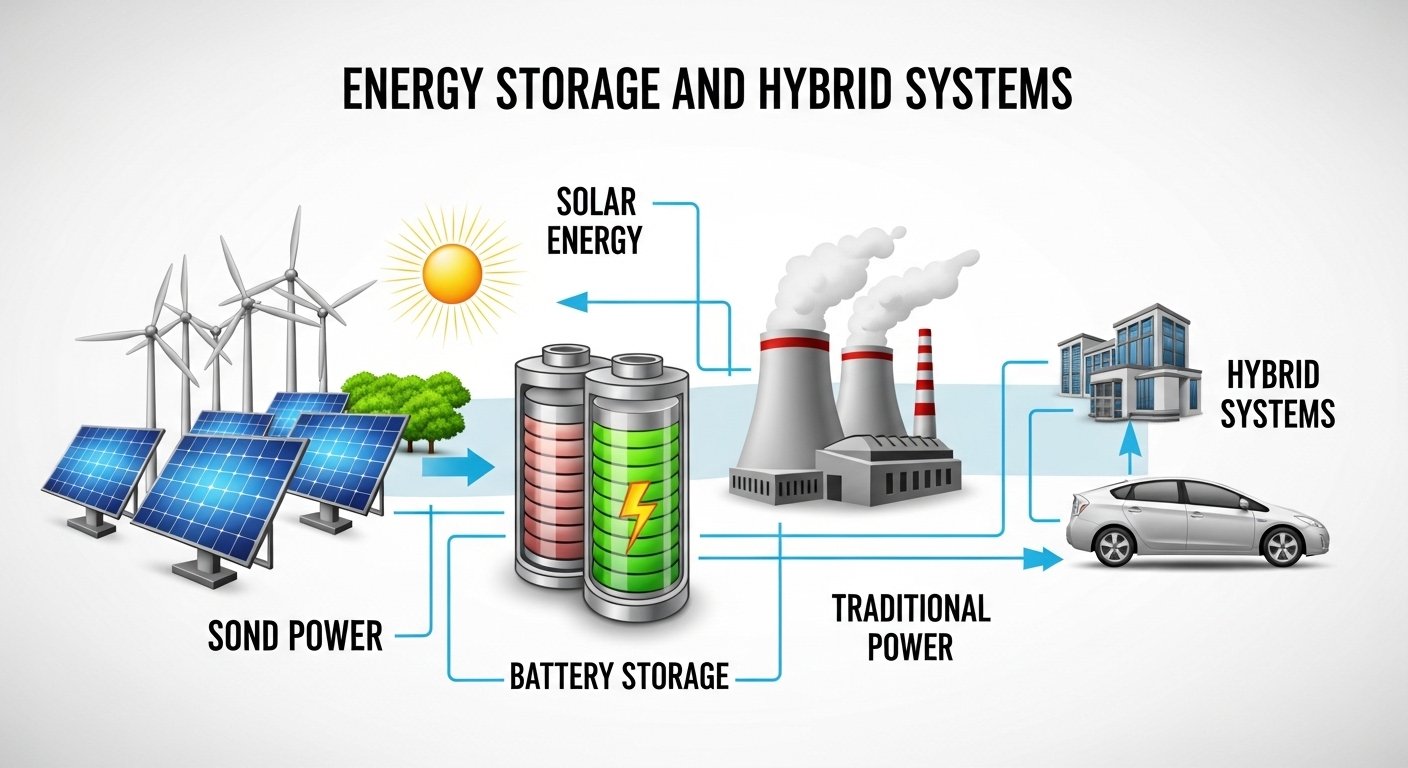
Over time, such innovations may transform mining into a core component of distributed energy systems.
Environmental Considerations and Misconceptions
The environmental impact of Bitcoin mining remains a topic of intense debate. However, the grid stabilization argument introduces a more nuanced perspective.
Moving Toward Cleaner Energy Sources
As miners seek cheaper electricity, they are increasingly drawn to renewable-rich regions. This economic incentive aligns with broader environmental goals. In many cases, mining operations are helping to monetize renewable projects that might otherwise struggle financially.
Rethinking Energy Narratives
Instead of viewing mining solely as an energy drain, the conversation is shifting toward its role as a flexible consumer. This reframing emphasizes how mining can complement renewable energy systems rather than compete with them.
Policy Implications and Future Outlook
The idea that Bitcoin mining can stabilize power grids has important implications for policymakers, utilities, and investors.
Regulatory Approaches
Governments and regulators are beginning to explore frameworks that encourage responsible mining practices. This includes incentives for miners to participate in demand response programs and use renewable energy sources. Such policies could transform mining into a valuable asset for energy systems.
Long-Term Energy Transition
As the world moves toward cleaner and more decentralized power systems, flexible loads will become increasingly important. Bitcoin mining represents one of the most adaptable forms of industrial electricity consumption. If integrated thoughtfully, it could play a significant role in the global transition to bold resilient energy networks.
Conclusion
The narrative around Bitcoin mining is evolving. While concerns about energy consumption remain valid, new research and industry insights suggest that mining can also provide meaningful benefits to power grids. According to Paradigm, the flexibility of mining operations allows them to absorb excess renewable energy, reduce demand during peak periods, and support overall grid stability.
This perspective highlights a broader truth about emerging technologies: their impact often depends on how they are integrated into existing systems. When aligned with grid needs and renewable expansion, Bitcoin mining can become more than just a digital process. It can serve as a dynamic tool for balancing electricity supply and demand.
As energy systems grow more complex and decentralized, the role of flexible consumers like mining operations may become increasingly important. Rather than being seen solely as a challenge, Bitcoin mining could emerge as a key component of future energy infrastructure.
FAQs
Q: How does Bitcoin mining help stabilize power grids?
Bitcoin mining helps stabilize power grids by acting as a flexible energy consumer. Mining facilities can increase their electricity usage when there is excess generation, such as during periods of strong solar or wind output. They can also shut down quickly during peak demand, freeing power for households and essential services. This ability to adjust consumption in real time makes mining operations valuable participants in demand response programs.
Q: Why is mining considered useful for renewable energy projects?
Renewable energy sources often produce electricity intermittently, leading to periods of surplus power. Without sufficient storage or demand, this excess energy may be curtailed. Mining operations can use this surplus electricity, providing a steady buyer for renewable producers. This improves project economics and encourages further investment in clean energy infrastructure.
Q: Can Bitcoin mining cause problems for power grids?
Yes, if mining operations are established in areas with limited electricity supply or without coordination with utilities, they can strain the grid. However, when miners operate in regions with surplus energy and participate in demand response programs, they can actually enhance grid stability rather than disrupt it.
Q: Do all mining operations use renewable energy?
Not all mining operations rely on renewable sources. The energy mix varies depending on location and electricity prices. However, many miners are increasingly seeking renewable-rich regions because lower-cost clean energy improves their profitability. This trend is gradually shifting the industry toward more sustainable practices.
Q: What role could Bitcoin mining play in the future energy system?
In the future, Bitcoin mining could serve as a flexible industrial load that supports decentralized and renewable-heavy power grids. By absorbing surplus energy, reducing demand during peak periods, and integrating with smart grid technologies, mining operations may become an important component of modern energy infrastructure.
