

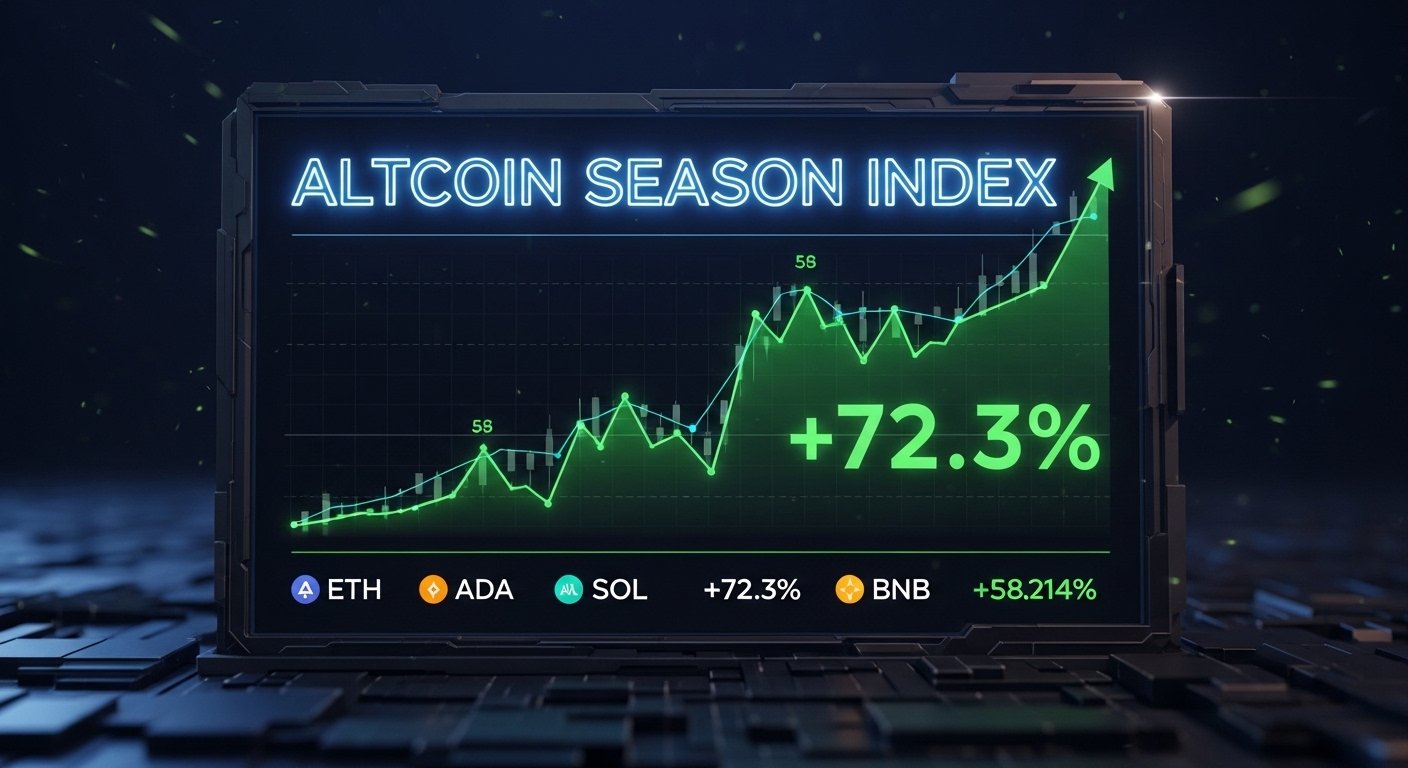
Altcoin Season Index Plummets to 33 Bitcoin Dominance Surges the cryptocurrency market has once again entered a pivotal phase as the Altcoin Season Index plunges to 33, sending a powerful message across the digital asset landscape. For seasoned traders and long-term investors alike, this sharp decline is more than just a number. It represents a dramatic shift in momentum, capital flows, and market psychology. When the Altcoin Season Index falls to such levels, it strongly suggests that Bitcoin is outperforming the majority of alternative cryptocurrencies, reinforcing its position as the undisputed leader of the crypto market.
Understanding why the Altcoin Season Index plummets to 33 requires looking beyond surface-level price charts. It reflects a broader narrative of Bitcoin dominance, investor risk appetite, and evolving macroeconomic conditions. During periods when uncertainty rises or volatility increases, capital often rotates back into Bitcoin, which is widely perceived as the most secure and established digital asset. As a result, altcoins struggle to maintain momentum, and the broader altcoin market experiences reduced performance relative to Bitcoin.
In this article, we will examine what it truly means when the Altcoin Season Index plummets to 33, why Bitcoin’s dominance is resurging, and how this development could shape the next phase of the crypto cycle. We will also explore investor sentiment, technical indicators, and the potential road ahead for altcoins in a market currently driven by Bitcoin strength.
Altcoin Season Index Plummets to 33 Bitcoin Dominance
The Altcoin Season Index is a widely followed metric used to determine whether the cryptocurrency market favors altcoins or Bitcoin. It measures the performance of top altcoins relative to Bitcoin over a set period, typically 90 days. When a majority of altcoins outperform Bitcoin, the market is considered to be in “altcoin season.” Conversely, when Bitcoin outperforms most altcoins, the market is deemed to be in “Bitcoin season.”
When the Altcoin Season Index plummets to 33, it clearly signals that fewer altcoins are outperforming Bitcoin. This threshold suggests that the market is leaning heavily toward Bitcoin, and capital is consolidating around the largest cryptocurrency by market capitalization.
What Does a Reading of 33 Indicate?
A reading of 33 implies that only a minority of altcoins have managed to outperform Bitcoin over the measured timeframe. Historically, readings below 40 often coincide with rising Bitcoin market share and weakening crypto market breadth. In simpler terms, money is flowing back into Bitcoin, leaving altcoins struggling to maintain relative gains.
This dynamic often occurs during periods of uncertainty or after strong Bitcoin rallies. When Bitcoin begins to move decisively upward, it tends to absorb liquidity from the altcoin market. Traders rotate funds into Bitcoin, expecting further upside or seeking stability amid volatility.
Bitcoin’s Resurgent Dominance in the Crypto Market
The recent decline in the Altcoin Season Index to 33 highlights a clear resurgence in Bitcoin dominance. Bitcoin dominance measures the percentage of total cryptocurrency market capitalization attributed to Bitcoin. When this metric rises, it means Bitcoin is gaining ground relative to other digital assets.
Over the years, Bitcoin dominance has followed cyclical patterns. During early bull market phases, Bitcoin often leads the charge. Institutional investors and conservative traders typically enter the market through Bitcoin first. Only later, when confidence grows and risk appetite increases, does capital flow aggressively into altcoins.
Why Investors Are Rotating Back to Bitcoin
Several factors can explain why the Altcoin Season Index plummets to 33 and why Bitcoin is regaining dominance. One key driver is macroeconomic uncertainty. In times of inflation concerns, interest rate volatility, or global financial instability, Bitcoin is increasingly viewed as a digital store of value.
Additionally, institutional participation has played a major role. Large financial entities often prefer Bitcoin due to its liquidity, regulatory clarity, and established infrastructure. This institutional preference can amplify Bitcoin’s upward momentum and further weaken altcoin performance. Another important factor is market psychology. When Bitcoin begins outperforming, traders often follow momentum. The perception that Bitcoin is safer or more reliable encourages further capital inflows, reinforcing its dominance.
The Impact on the Altcoin Market
When the Altcoin Season Index plummets to 33, the immediate effect is visible across the altcoin landscape. Many alternative cryptocurrencies experience slower growth, sharper corrections, or stagnation compared to Bitcoin. This does not necessarily mean altcoins are collapsing, but rather that they are underperforming on a relative basis.
Liquidity Shifts and Market Behavior
Liquidity plays a critical role in cryptocurrency cycles. During Bitcoin-led rallies, capital tends to consolidate into fewer assets. This concentration reduces speculative flows into smaller tokens. As a result, altcoin performance weakens, and market participants become more selective.
Historically, strong Bitcoin rallies often precede altcoin seasons. However, the transition is rarely immediate. The Altcoin Season Index dropping to 33 suggests that the market is still in a Bitcoin-dominant phase, and altcoins may require renewed confidence and broader participation before regaining momentum.
Psychological Effects on Traders
The psychological impact of the Altcoin Season Index plummeting to 33 cannot be overlooked. Traders who entered altcoin positions expecting explosive gains may become cautious or even exit positions. Fear of underperformance drives capital rotation back into Bitcoin, further reinforcing its dominance.
At the same time, long-term investors may see this period as an accumulation opportunity. Historically, prolonged Bitcoin dominance phases have eventually been followed by strong altcoin rebounds once liquidity expands again.
Historical Context of Bitcoin Season vs Altcoin Season
Crypto market cycles often alternate between Bitcoin season and altcoin season. When the Altcoin Season Index rises above 75, it typically signals that altcoins are outperforming Bitcoin across the board. These periods are often marked by speculative enthusiasm, high volatility, and rapid gains in smaller tokens.
Conversely, when the Altcoin Season Index plummets to 33 or lower, it reflects consolidation around Bitcoin. Historically, this phase can serve as the foundation for broader market expansion. Bitcoin’s strength establishes overall bullish sentiment before risk capital rotates outward.
Lessons from Previous Cycles
Past cycles have shown that Bitcoin dominance peaks before major altcoin rallies. For example, during earlier bull runs, Bitcoin first achieved significant price milestones before capital flooded into altcoins. Investors often wait for confirmation of a sustained bullish trend before taking on higher risk.
The current reading of 33 suggests the market may still be in the early or mid-phase of a Bitcoin-driven cycle. If history repeats, altcoins could eventually benefit once Bitcoin stabilizes and confidence spreads.
Technical Indicators Supporting Bitcoin’s Strength
Beyond the Altcoin Season Index plummeting to 33, technical analysis also supports the narrative of Bitcoin’s renewed dominance. Indicators such as rising trading volume, breakout patterns, and strengthening support levels all point toward sustained Bitcoin momentum.
Bitcoin’s relative strength index compared to major altcoins shows increasing divergence. This means Bitcoin is gaining faster or declining slower during corrections. Such divergence reinforces investor confidence in Bitcoin’s stability.
Market Capitalization Trends
Total cryptocurrency market capitalization may still be growing, but Bitcoin’s share of that total is expanding. This trend confirms that capital inflows are disproportionately favoring Bitcoin rather than altcoins.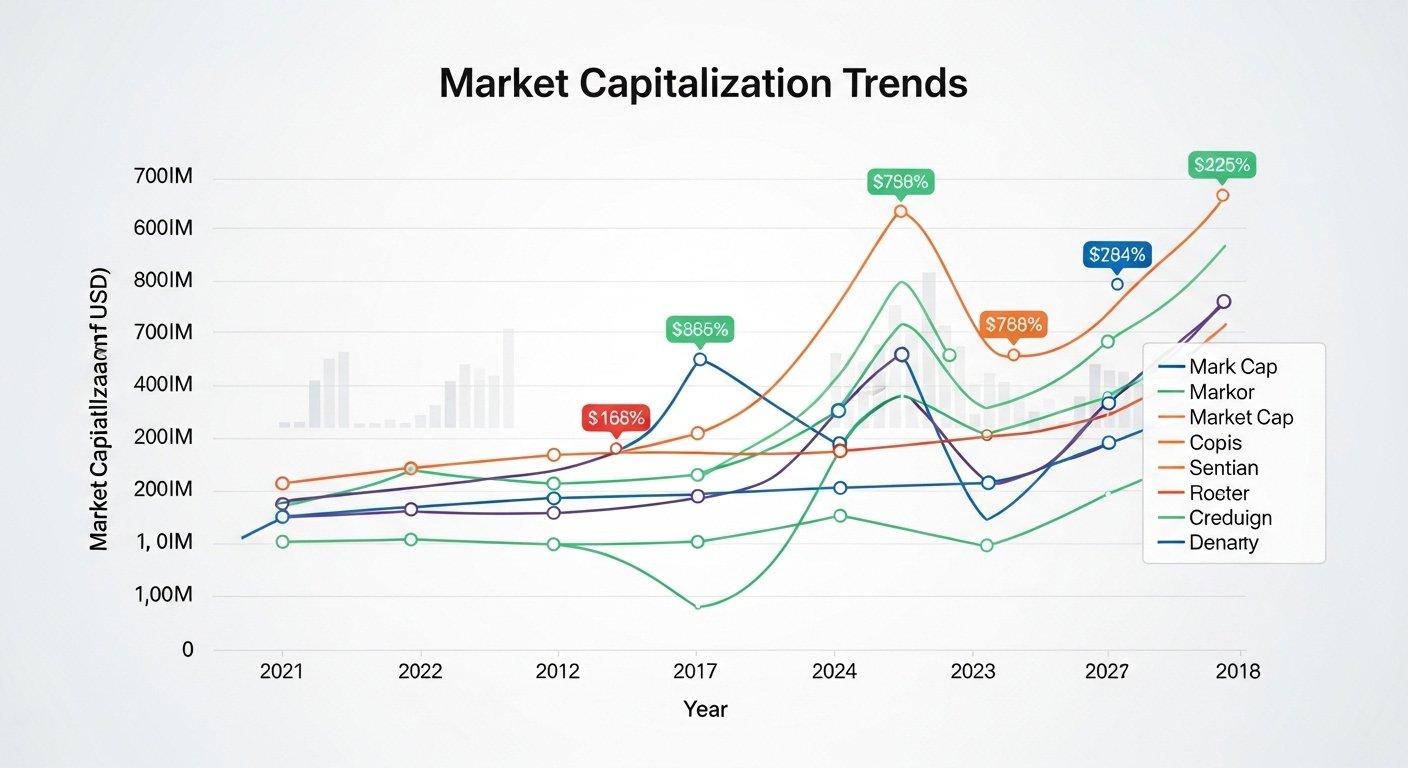
Institutional demand, exchange-traded products, and increasing regulatory clarity have also strengthened Bitcoin’s position. These structural advantages make it more resilient during volatile phases.
What This Means for Investors Moving Forward
When the Altcoin Season Index plummets to 33, investors must reassess strategy. For short-term traders, momentum favors Bitcoin. For long-term investors, the current phase may represent a transitional period within a broader bull cycle.
Diversification strategies may need adjustment depending on risk tolerance. Conservative investors might prioritize Bitcoin exposure, while aggressive traders may selectively accumulate undervalued altcoins in anticipation of a future rotation.
Timing the Next Altcoin Season
Predicting the exact timing of the next altcoin season is challenging. However, historically, altcoin rallies tend to follow periods of strong Bitcoin appreciation and subsequent consolidation. Once Bitcoin stabilizes and investors grow comfortable with its price range, liquidity often expands outward.
Monitoring changes in Bitcoin dominance, trading volumes, and macroeconomic developments can provide early clues about a potential shift.
Broader Market Implications
The Altcoin Season Index plummeting to 33 reflects more than short-term fluctuations. It underscores the cyclical nature of crypto markets. Bitcoin’s role as the anchor asset remains intact, particularly during periods of uncertainty. This renewed dominance may also shape regulatory discussions and institutional strategies. Policymakers often focus primarily on Bitcoin, and stronger dominance can reinforce its position as the benchmark cryptocurrency.
At the same time, innovation within the altcoin ecosystem continues. Projects focused on decentralized finance, blockchain scalability, and smart contracts are still evolving. While short-term performance may lag, long-term development remains active.
Conclusion
The Altcoin Season Index plummets to 33, sending a clear signal that Bitcoin is once again asserting dominance over the broader cryptocurrency market. This development reflects capital rotation, investor caution, and renewed confidence in Bitcoin’s long-term strength. While altcoins may be underperforming for now, historical patterns suggest that market cycles are dynamic and ever-changing.
Bitcoin’s resurgent dominance does not necessarily spell the end of altcoin opportunities. Instead, it marks a phase within the broader crypto cycle. Investors who understand these shifts can position themselves strategically, balancing caution with opportunity. As the market continues to evolve, keeping a close eye on the Altcoin Season Index will remain essential for navigating the ever-changing landscape of digital assets.
FAQs
Q: What does it mean when the Altcoin Season Index plummets to 33?
When the Altcoin Season Index drops to 33, it indicates that only a small portion of leading altcoins are outperforming Bitcoin over a defined period. This typically signals that the market is in a Bitcoin-dominant phase, where capital flows are concentrated in Bitcoin rather than being widely distributed across alternative cryptocurrencies. It reflects investor preference for Bitcoin’s relative stability and market leadership.
Q: Is a low Altcoin Season Index bad for the crypto market?
A low Altcoin Season Index is not necessarily bad for the overall crypto market. It simply reflects a shift in performance dynamics. Bitcoin can be rising strongly while altcoins underperform on a relative basis. In many historical cases, strong Bitcoin phases have laid the groundwork for future altcoin rallies once liquidity expands and risk appetite increases.
Q: How does Bitcoin dominance affect altcoin prices?
When Bitcoin dominance increases, it often means that Bitcoin is attracting a larger share of total market capital. This can reduce liquidity available for altcoins, leading to slower growth or price stagnation. However, once Bitcoin stabilizes, investors may rotate profits into altcoins, potentially triggering an altcoin season.
Q: Can altcoins recover after the Altcoin Season Index falls significantly?
Yes, altcoins have historically recovered after periods of low index readings. Market cycles frequently alternate between Bitcoin dominance and altcoin outperformance. Once Bitcoin completes a strong upward move and consolidates, capital often flows back into altcoins, driving renewed momentum across the broader crypto ecosystem.
Q: How should investors respond to the Altcoin Season Index plummeting to 33?
Investors should evaluate their risk tolerance and investment horizon. Conservative participants may favor Bitcoin during dominant phases, while long-term investors might view weaker altcoin performance as an accumulation opportunity. Monitoring broader market trends, macroeconomic factors, and shifts in dominance can help inform strategic decisions.
