

Crypto Crash Is Solana a Smart Buy After 67% Plunge the latest crypto crash has once again shaken investor confidence across the digital asset market. From Bitcoin to altcoins, prices have corrected sharply, wiping out billions in market value in just weeks. Among the hardest-hit major cryptocurrencies is Solana, whose native token SOL has plunged nearly 67% from its recent highs. For long-term investors and traders alike, the pressing question is clear: Is Solana a buy after this dramatic collapse, or is the downside far from over?
Market downturns in crypto are nothing new. Volatility is part of the ecosystem. Yet every cycle feels different because the macroeconomic backdrop, investor sentiment, and network fundamentals evolve over time. Solana, often referred to as an Ethereum challenger, built its reputation on high throughput and low transaction costs. But during this crypto crash, even strong narratives have struggled to prevent price declines.
We takes a deep dive into Solana’s 67% plunge, examining the technical picture, on-chain fundamentals, broader crypto market trends, and the long-term outlook for the Solana ecosystem. We will explore whether the current correction represents a generational buying opportunity or a cautionary tale of overhyped altcoins.
Crypto Crash Is Solana a Smart Buy After 67%
The crypto crash did not occur in isolation. It unfolded amid tightening global liquidity, shifting regulatory narratives, and a broad risk-off sentiment in financial markets1. Historically, cryptocurrencies have been highly sensitive to macroeconomic developments such as interest rate hikes, inflation data, and geopolitical uncertainty.
When liquidity tightens, speculative assets tend to suffer first. Solana, as a high-beta altcoin, often experiences amplified price swings compared to Bitcoin. During bullish cycles, it can outperform dramatically. During bearish phases, however, the downside can be equally severe.
The 67% plunge in Solana reflects this dynamic. As investors moved capital away from riskier assets, many high-growth tokens saw rapid declines. The broader digital asset market contraction intensified the pressure on SOL, pushing it down alongside other major cryptocurrencies.
Investor Sentiment and Fear Cycles
Every crypto crash follows a familiar psychological arc. Euphoria transitions to doubt, doubt turns into fear, and fear sometimes morphs into capitulation. Solana’s steep decline has fueled concerns about its long-term viability, even though the network remains operational and active.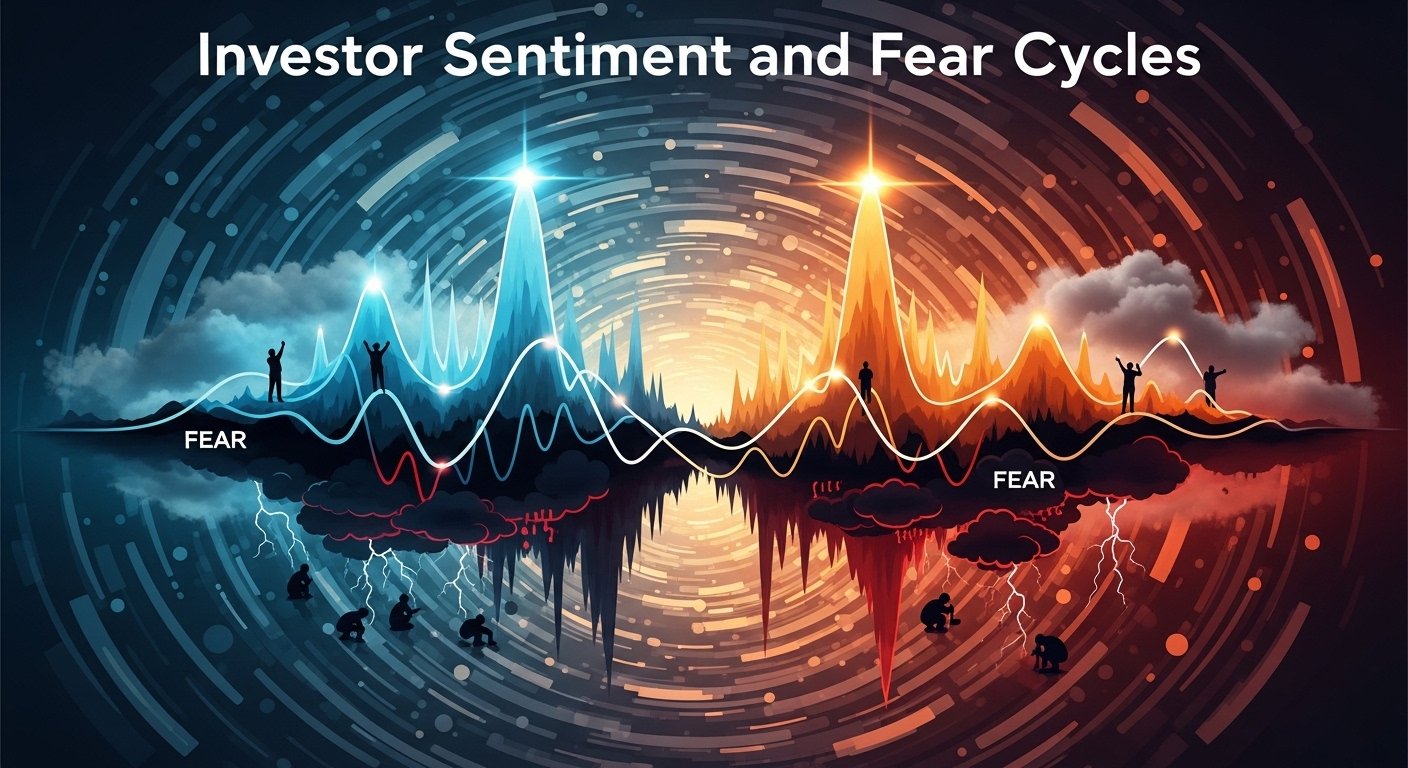
Investor sentiment indicators show elevated fear levels, often associated with potential market bottoms. Historically, extreme pessimism has preceded strong recoveries. However, timing such inflection points remains notoriously difficult. The key question is whether Solana’s drop is driven purely by macro sentiment or if there are deeper structural concerns about the network itself.
Solana’s Fundamentals: Has Anything Changed?
To determine if Solana is a buy after its 67% plunge, investors must separate price action from fundamentals. Price volatility does not necessarily reflect deteriorating technology or adoption.
Solana was founded by Anatoly Yakovenko and designed to deliver high-speed blockchain performance using a unique Proof of History mechanism combined with Proof of Stake. Its architecture allows for significantly higher transaction throughput compared to many competing networks.
Despite the crypto crash, the Solana ecosystem continues to host decentralized applications, NFT marketplaces, and DeFi protocols. Total value locked may fluctuate with token prices, but developer activity and user engagement remain critical indicators.
Network Performance and Scalability
One of Solana’s biggest selling points has always been scalability. Low transaction fees and fast confirmation times have made it attractive for decentralized finance and NFT projects. Even during market downturns, transaction volume has remained relatively stable.
However, Solana has faced network outages in the past, raising concerns about reliability. Critics argue that high performance means little if uptime cannot be consistently maintained. Supporters counter that most early-stage blockchains experience technical growing pains. The recent crypto crash has not been triggered by new catastrophic failures within Solana’s infrastructure. Instead, the decline appears largely correlated with broader market weakness.
Developer and Ecosystem Growth
Developer activity is often considered a leading indicator of long-term success in blockchain ecosystems. Solana has consistently ranked among the top networks for active developers.
Even amid falling prices, new decentralized applications continue to launch. Venture capital funding for Solana-based projects has slowed compared to peak bull market levels, but it has not vanished entirely. If ecosystem development continues during the bear phase, Solana could emerge stronger when market sentiment eventually recovers.
Technical Analysis of the 67% Plunge
From a technical standpoint, a 67% correction places Solana deep within bear market territory. Historically, major altcoins have experienced drawdowns of 70% to 90% during prolonged crypto crashes.
Technical analysts examine support levels, moving averages, and trading volume to gauge whether selling pressure is exhausting itself. Oversold indicators may signal a potential rebound, but they do not guarantee immediate recovery.
Solana’s price structure suggests that volatility remains elevated. Lower highs and lower lows typically indicate ongoing bearish momentum. For short-term traders, caution is warranted. For long-term investors, such levels may present strategic accumulation zones.
Comparing to Previous Cycles
Looking back at earlier crypto crashes, major altcoins often experienced severe declines before staging dramatic comebacks. During previous cycles, assets like Ethereum fell more than 80% before eventually reaching new all-time highs.
While historical performance does not guarantee future results, it demonstrates that deep corrections are common in crypto markets. Solana’s 67% plunge, though painful, is not unprecedented within the sector’s history. The crucial difference lies in whether Solana continues to maintain relevance and adoption in the competitive smart contract landscape.
Competition and the Smart Contract Battlefield
Solana operates in a fiercely competitive environment dominated by Ethereum and increasingly challenged by networks like Avalanche, Cardano, and layer-2 scaling solutions.
Ethereum’s ecosystem remains the largest and most mature, but it struggles with higher fees and scalability limitations. Solana’s value proposition centers on speed and cost efficiency. During a crypto crash, weaker projects often fade away. Stronger networks consolidate their position. The question for investors is whether Solana belongs to the former or the latter category.
Institutional Interest and Market Perception
Institutional involvement in Solana has grown over time. Several investment funds and crypto-focused firms have allocated capital to SOL and Solana-based projects. However, institutional flows can reverse quickly during risk-off environments. Market perception also plays a significant role. If Solana maintains its reputation as a high-performance blockchain, confidence may return once macro conditions stabilize.
Risks to Consider Before Buying Solana
No investment thesis is complete without acknowledging risks. Solana’s 67% plunge highlights the inherent volatility of cryptocurrencies. Regulatory uncertainty remains a significant factor. Global policymakers continue to refine their stance on digital assets, and unfavorable regulations could impact adoption.
Additionally, technical vulnerabilities or future network disruptions could undermine confidence. Competition from other blockchains also presents an ongoing challenge. Investors must assess their risk tolerance carefully before entering positions during a crypto crash.
Long-Term Outlook: Can Solana Recover?
The long-term outlook for Solana depends on sustained ecosystem growth, technological resilience, and broader crypto market recovery. If the overall market enters another bullish cycle, high-quality altcoins often outperform.
Solana’s architecture positions it well for applications requiring high throughput, such as gaming and high-frequency DeFi protocols. Continued innovation could strengthen its competitive edge. However, recovery timelines remain uncertain. Crypto markets can remain subdued for extended periods before momentum returns.
The Role of Bitcoin in Solana’s Future
Bitcoin typically leads market cycles. When Bitcoin stabilizes and begins trending upward, capital often rotates into altcoins like Solana. If the broader crypto crash transitions into accumulation and recovery phases, Solana could benefit disproportionately due to its previous strong performance in bull markets.
Is Solana a Buy After the 67% Plunge?
Determining whether Solana is a buy after its 67% plunge ultimately depends on investment horizon and conviction in blockchain technology. For short-term traders, volatility may persist. For long-term believers in decentralized finance and scalable smart contract platforms, current price levels may appear attractive compared to previous highs.
Dollar-cost averaging strategies can mitigate timing risks. Instead of attempting to predict the exact bottom, gradual accumulation may provide balanced exposure. Investors should focus on fundamentals rather than fear-driven narratives. If Solana continues to innovate and expand its ecosystem, the current crypto crash could eventually be viewed as a strategic entry point.
Conclusion
The crypto crash has delivered a harsh reminder of the market’s volatility, and Solana’s 67% plunge exemplifies the risks associated with high-growth digital assets. Yet history shows that deep corrections often create opportunities for disciplined investors.
Solana’s underlying technology, active developer community, and expanding ecosystem remain intact despite the downturn. While risks persist, the project continues to compete aggressively in the smart contract arena.
Whether Solana is a buy after its steep decline depends on individual risk tolerance and long-term conviction. For those willing to weather volatility, the current environment may represent a compelling moment to evaluate accumulation strategies. As always, prudent risk management and thorough research are essential in navigating the ever-evolving crypto landscape.
FAQs
Q: Is Solana likely to recover after a 67% crash?
Solana has experienced a 67% decline during the recent crypto crash, but such corrections are not uncommon in the digital asset market. Recovery depends on broader market conditions, continued ecosystem development, and investor sentiment. If Bitcoin stabilizes and macroeconomic pressures ease, Solana could rebound alongside the broader crypto market, especially if developer activity and adoption remain strong.
Q: What caused Solana’s price to drop so sharply?
The sharp drop in Solana’s price is largely attributed to the broader crypto crash, which was influenced by macroeconomic tightening, reduced liquidity, and risk-off sentiment among investors. While Solana has faced past network challenges, the recent decline appears more connected to overall market weakness than to specific new technical failures.
Q: Is buying Solana during a crypto crash a good strategy?
Buying during a crypto crash can offer discounted entry points, but it carries significant risk. Investors should evaluate fundamentals, assess risk tolerance, and consider strategies like dollar-cost averaging. Solana’s long-term potential depends on sustained ecosystem growth and competitive positioning within the smart contract sector.
Q: How does Solana compare to Ethereum during market downturns?
Solana and Ethereum serve similar functions as smart contract platforms, but they differ in architecture and ecosystem maturity. Ethereum has a longer track record and larger ecosystem, while Solana emphasizes speed and low costs. During downturns, both can decline sharply, but long-term performance depends on continued adoption and technological development.
Q: What risks should investors consider before buying Solana?
Investors should consider regulatory uncertainty, technical risks, competition from other blockchains, and overall market volatility. Solana’s past network outages and its reliance on continued ecosystem growth are important factors. A thorough understanding of these risks is essential before making any investment decision during a crypto crash.
